




2025-12-08
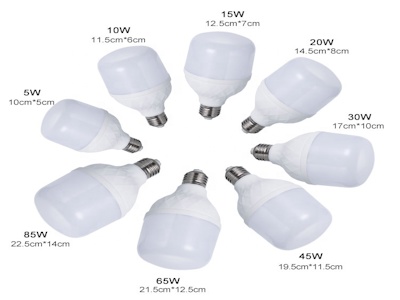
В современном мире освещение играет ключевую роль не только в функциональности помещений, но и в создании атмосферы, влияющей на наше настроение, продуктивность и даже здоровье. С появлением LED технологий возможности управления светом расширились до невиданных ранее масштабов. Одним из самых важных аспектов является цветовая температура, которая определяет, насколько "теплым" или "холодным" будет свет. В этой статье мы раскроем все секреты настройки цветовой температуры LED ламп, чтобы помочь вам создать идеальное освещение в вашем доме или офисе.
Цветовая температура измеряется в кельвинах (K) и характеризует оттенок света, испускаемого источником. Низкие значения (например, 2700K) соответствуют теплому, желтоватому свету, похожему на свет от традиционных ламп накаливания или свечи. Высокие значения (например, 6500K) дают холодный, голубоватый свет, аналогичный дневному свету в пасмурный день. Понимание этого параметра критически важно, потому что он напрямую влияет на восприятие пространства: теплый свет создает уют и расслабление, идеален для спален и гостиных, в то время как холодный свет повышает бдительность и концентрацию, подходит для рабочих зон и кухонь.
Научные исследования показывают, что цветовая температура также воздействует на наши циркадные ритмы. Свет с высокой цветовой температурой (холодный) подавляет выработку мелатонина — гормона сна, что может disrupt сон, если используется вечером. Поэтому грамотная настройка LED ламп не только улучшает эстетику, но и поддерживает здоровье. В эпоху smart home технологий многие LED лампы позволяют dynamically изменять цветовую temperature через приложения или голосовые команды, открывая безграничные возможности для персонализации.
Выбор цветовой температуры зависит от назначения комнаты и желаемой атмосферы. Рассмотрим практические рекомендации для common spaces.
В спальне оптимальна теплая цветовая temperature в диапазоне 2700K to 3000K. Этот свет mimics закат солнца, promoting relaxation and preparing the body for sleep. Избегайте холодных оттенков, которые могут interfere with natural sleep cycles. For example, используйте dimmable LED лампы с adjustable color temperature to gradually shift to warmer tones in the evening. Many smart bulbs, такие как Philips Hue или Xiaomi Yeelight, offer preset scenes like "Sunset" that automate this process, enhancing your nightly routine without effort.
Гостиная often serves multiple purposes — from relaxing with family to hosting guests or even working. A versatile approach is key. Consider using LED лампы с color temperature around 3000K to 4000K, which provides a neutral, inviting light. For areas where you read or work, add task lighting with cooler tones (4000K to 5000K) to improve focus. Layer different light sources: overhead fixtures with warm light, and desk lamps with adjustable settings. This not only adds depth to the room but also allows you to adapt the lighting to various activities throughout the day.
На кухне, where precision is important for cooking and cleaning, a cooler light of 4000K to 5000K is ideal. It mimics daylight, making colors appear more vibrant and reducing eye strain. However, for dining areas within the kitchen, incorporate warmer lights (3000K) to create a cozy atmosphere during meals. Under-cabinet LED strips with adjustable color temperature can provide both functional task lighting and ambient glow, transforming the space from a practical workspace to a social hub.
В ванной, aim for a balance: use cool light (4000K to 5000K) near the mirror for accurate shaving or makeup application, as it reduces shadows and provides true color rendering. In other areas, such as the bathtub, warmer light (2700K to 3000K) can create a spa-like retreat. LED mirrors with built-in lighting often come with color temperature settings, allowing you to switch between modes based on the time of day or activity.
For home offices or study areas, cooler light temperatures of 5000K to 6500K are recommended. This type of light increases alertness and reduces fatigue, similar to natural daylight. Studies have shown that exposure to cool light during work hours can improve cognitive performance and mood. Smart LED systems can be programmed to simulate a natural light cycle, starting with cooler tones in the morning and transitioning to warmer ones in the evening to support circadian rhythms.
Adjusting color temperature is straightforward with modern LED technology. Here’s a step-by-step guide for different types of lamps.
Smart bulbs, such as those from brands like LIFX or Sengled, connect to your home Wi-Fi and can be controlled via smartphone apps. Download the app, pair the bulb, and use sliders or presets to adjust the color temperature. Many apps offer scenes like "Reading" or "Relax" that automatically set the ideal temperature. Integration with voice assistants like Alexa or Google Assistant allows for hands-free control — simply say, "Alexa, set the living room light to warm white."
Some LED bulbs have physical switches or remote controls that cycle through color temperatures. For instance, a bulb might have three settings: warm white, cool white, and daylight. Turn the bulb on and off quickly or use the remote to switch between modes. These are cost-effective options for those not ready to invest in smart home systems.
Dimmable LED bulbs paired with compatible dimmer switches can adjust not only brightness but also color temperature in some models. Look for bulbs labeled "tunable white" or "color temperature adjustable." Install a smart dimmer switch that supports color temperature control, and use it to fine-tune the light throughout the day. This is especially useful in rooms like the kitchen, where lighting needs change from morning preparation to evening dining.
To achieve the best results, consider the color of your walls and furniture. Warm light complements earthy tones like beige or brown, while cool light enhances blues and grays. Experiment with different temperatures at various times of day to see what feels best. Use multiple light sources to avoid uniform lighting, which can be harsh. For example, combine overhead lights with floor lamps and sconces to create layers of light that can be individually adjusted.
Beyond aesthetics, color temperature has profound effects on human biology. Exposure to light with high color temperature (cool light) during the day helps regulate circadian rhythms by suppressing melatonin and increasing serotonin levels, which improves mood and energy. Conversely, warm light in the evening signals the body to wind down and prepare for sleep. Disruption of this natural cycle, such as from excessive blue light emitted by cool LEDs at night, can lead to sleep disorders, eye strain, and even long-term health issues like increased risk of obesity or depression.
Research from institutions like Harvard Medical School highlights the importance of aligning artificial lighting with natural light patterns. For instance, using cool light (5000K) in the morning can help wake you up naturally, while shifting to warm light (2700K) after sunset supports healthy sleep. LED technology allows for this synchronization through programmable systems, making it easier than ever to maintain a healthy lifestyle indoors.
Let’s look at some real-world scenarios where adjusting color temperature transformed spaces.
In a compact urban apartment, the resident used smart LED bulbs throughout. In the living area, they set the color temperature to 3500K during the day for a bright yet comfortable ambiance, and switched to 2700K in the evening for relaxation. In the bedroom, they programmed the lights to gradually warm up before bedtime, improving sleep quality. The result was a 30% reduction in eye strain reported and enhanced overall well-being.
A freelancer working from home installed LED panels with adjustable color temperature above their desk. They used 6500K light during work hours to stay focused and productive, and noticed a significant drop in afternoon fatigue. In the evening, they dimmed the lights to 3000K to signal the end of the workday, helping them disconnect and relax. This simple change led to a 20% increase in daily output and better work-life balance.
A family with young children upgraded their kitchen lighting to LED strips under cabinets with color temperature control. During meal prep, they used cool light (5000K) for better visibility, and during family dinners, they switched to warm light (3000K) to create a inviting atmosphere. The children found it easier to do homework at the kitchen table under the optimized lighting, and the parents appreciated the energy savings from LED efficiency.
The future of LED lighting is bright, with advancements aimed at enhancing customization and health benefits. Emerging technologies include Li-Fi (light fidelity), where LED lights transmit data, and even more integrated smart home systems that adjust lighting based on biometric data from wearables. For example, your smartwatch could signal your lights to warm up as your heart rate decreases in the evening. Additionally, eco-friendly LEDs with even longer lifespans and lower energy consumption are on the horizon, making sustainable living accessible to all.
As artificial intelligence evolves, expect lighting systems that learn your preferences and daily routines, automatically optimizing color temperature without any input. Imagine walking into a room, and the lights adjust to your mood detected by sensors — this is not science fiction but a near-future reality. Brands are already experimenting with OLED and micro-LED technologies that offer finer control over color rendering, ensuring that every space is perfectly lit for its purpose.
In summary, mastering the secrets of color temperature in LED lamps can profoundly impact your living environment, health, and efficiency. By understanding the basics, choosing the right temperatures for each room, and leveraging modern technology for adjustment, you can create a home that is not only beautiful but also supportive of your well-being. Start small — perhaps with a smart bulb in your bedroom — and experiment to find what works best for you. The journey to ideal illumination is within reach, and with these insights, you're well-equipped to make informed decisions that light up your life in every way.
Remember, lighting is more than just functionality; it's an art form that shapes our daily experiences. Embrace the innovation of LED technology, and transform your space into a sanctuary of light and comfort.
Название компании:Zhongshan Hulang Lighting Electrical Co.,ltd Адрес:3rd Floor, No.50 East Caoyi Xinxing Avenue, Guzhen, Zhongshan Cityongshan City,guangdong Province,china, Zhongshan, Guangdong, China Контактные лица:Shawn Телефон:1388xx888xx