




2025-12-09
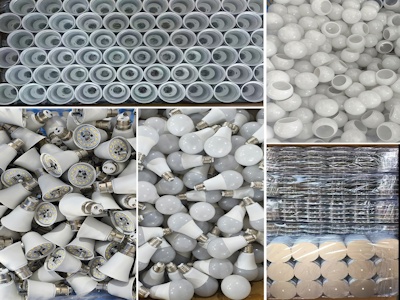
В современном мире освещение играет ключевую роль не только в создании комфортной среды, но и в энергосбережении и экологической устойчивости. С развитием технологий на рынке появились светодиодные лампы, которые активно вытесняют традиционные лампы накаливания и даже люминесцентные аналоги. В этой статье мы глубоко исследуем различия между светодиодными и обычными лампами, рассматривая технические, экономические и экологические аспекты. Наша цель — предоставить вам исчерпывающую информацию, чтобы вы могли сделать осознанный выбор для своего дома или бизнеса.
Освещение прошло долгий путь от примитивных факелов и масляных ламп до современных высокотехнологичных решений. Обычные лампы накаливания, изобретенные Томасом Эдисоном в конце XIX века, долгое время доминировали на рынке. Их принцип работы основан на нагреве вольфрамовой нити до высокой температуры, что вызывает свечение. Однако такая технология крайне неэффективна: до 90% энергии тратится на тепло, а не на свет. В ответ на растущие потребности в энергосбережении появились люминесцентные лампы, которые использовали газовый разряд для генерации света, но они тоже имели недостатки, такие как содержание ртути и мерцание.
Светодиодные (LED) лампы представляют собой революцию в освещении. Первые светодиоды были разработаны в 1960-х годах, но лишь в начале XXI века они стали достаточно яркими и доступными для массового использования. LED-технология основана на полупроводниковых материалах, которые излучают свет при прохождении электрического тока. Это не только делает их более эффективными, но и открывает возможности для интеллектуального управления освещением, интеграции с умными домами и адаптации к различным условиям.
Переход от обычных к светодиодным лампам обусловлен глобальными тенденциями: ростом цен на энергию, ужесточением экологических норм и стремлением к устойчивому развитию. Многие страны, включая Россию, внедряют программы по замене устаревших ламп на LED-аналоги, что подчеркивает их преимущества. В следующих разделах мы детально разберем, чем именно светодиодные лампы отличаются от обычных, и почему они считаются будущим освещения.
Основное отличие между светодиодными и обычными лампами заключается в их принципе работы. Обычные лампы накаливания используют тепловое излучение: электрический ток нагревает вольфрамовую нить в вакуумированной или заполненной инертным газом колбе, заставляя ее светиться. Этот процесс generates a continuous spectrum light, similar to sunlight, but is highly inefficient because most energy is lost as heat. Typical efficiency is only about 10-15 lumens per watt (lm/W), meaning that for a 60-watt lamp, only a small fraction of energy converts to light.
Люминесцентные лампы, often referred to as "energy-saving" lamps, work on a different principle: an electric current ionizes mercury vapor inside a tube, producing ultraviolet light that then excites a phosphor coating to emit visible light. This is more efficient than incandescent bulbs, with an efficacy of 50-100 lm/W, but they contain toxic mercury, require a ballast to operate, and can flicker or have a delay in startup.
Светодиодные лампы utilize solid-state technology. A semiconductor material (usually based on gallium, arsenic, or other compounds) emits light when electrons recombine with electron holes, releasing energy in the form of photons. This process is highly efficient, with efficacies ranging from 80 to over 200 lm/W for advanced models. LED lamps consist of multiple small diodes mounted on a circuit board, often with a heat sink to dissipate heat, as excessive heat can reduce lifespan. They produce light directionally, which can be an advantage for focused lighting but may require diffusers for general illumination.
Конструктивно, светодиодные лампы are more compact and durable. They lack fragile filaments or glass tubes, making them resistant to shock and vibrations. Ordinary bulbs are prone to breakage due to their glass construction and delicate internal components. Additionally, LED lamps can be designed in various shapes and sizes, from standard A-shape bulbs to flexible strips and panels, offering greater versatility in application.
Another key technical difference is the color temperature and Color Rendering Index (CRI). Ordinary incandescent bulbs have a warm color temperature (around 2700K) and high CRI (close to 100), making colors appear natural. Fluorescent lamps often have cooler color temperatures and lower CRI, which can cause colors to look washed out. LED lamps offer a wide range of color temperatures (from warm white to cool daylight) and high CRI options (up to 95+), allowing users to customize lighting to their preferences. This flexibility is a significant advantage for applications like retail, photography, and home lighting where accurate color representation is crucial.
In terms of electrical characteristics, LED lamps operate on low voltage DC power, but they include built-in drivers to convert AC mains power, which can sometimes be a point of failure. Ordinary bulbs work directly on AC power without additional components. However, LED drivers have improved over time, and modern lamps are designed for reliability.
Overall, the technical superiority of LED lamps is clear: they are more efficient, durable, and adaptable. This makes them ideal for a wide range of uses, from residential lighting to industrial and outdoor applications. As technology advances, we can expect even better performance and lower costs, further solidifying their position as the preferred choice.
Одним из самых значительных отличий светодиодных ламп от обычных является их энергоэффективность. Как упоминалось ранее, обычные лампы накаливания тратят большую часть энергии на производство тепла, а не света. Например, лампа накаливания мощностью 60 Вт produces about 800 lumens of light, but consumes 60 watts of power. In contrast, an LED lamp producing the same amount of light typically uses only 8-10 watts, resulting in energy savings of up to 85%.
Люминесцентные лампы are more efficient than incandescent but still lag behind LEDs. A compact fluorescent lamp (CFL) might use 13-15 watts for the same 800 lumens, saving energy compared to incandescent but not as much as LED. Moreover, CFLs have a slower startup time and can lose efficiency over time, especially in frequently switched environments.
Экономия энергии directly translates to cost savings on electricity bills. Assuming an average electricity rate of 5 rubles per kWh and usage of 4 hours per day, a 60W incandescent bulb would cost about 438 rubles per year in energy (60W * 4h * 365d / 1000 * 5 руб/kWh = 438 руб). An equivalent 9W LED lamp would cost only about 66 rubles per year, saving over 370 rubles annually per bulb. For a household with 20 bulbs, this could mean savings of over 7,000 rubles per year, which quickly offsets the higher initial cost of LED lamps.
Кроме того, светодиодные лампы have a longer lifespan, which reduces replacement costs. An incandescent bulb lasts about 1,000 hours, while a CFL lasts 8,000-10,000 hours, and an LED lamp can last 25,000-50,000 hours or more. This means that over the lifetime of an LED lamp, you might replace dozens of incandescent bulbs or several CFLs. Factoring in the cost of replacements (e.g., 50 rubles for an incandescent bulb vs. 200 rubles for an LED bulb), the total cost of ownership for LED is significantly lower.
Для businesses and municipalities, the savings are even more substantial. Large-scale lighting upgrades to LED can reduce energy consumption by 50-70%, leading to lower operational costs and a smaller carbon footprint. Many governments offer incentives or rebates for switching to energy-efficient lighting, further enhancing the economic benefits.
It's also worth noting that LED lamps are more efficient in terms of light distribution.因为他们 направленный свет, меньше энергии тратится впустую на освещение нежелательных areas, whereas ordinary bulbs emit light omnidirectionally, often requiring reflectors or additional fixtures to direct light where needed. This can lead to further energy savings in practical applications.
In summary, the energy efficiency of LED lamps not only saves money but also contributes to environmental sustainability by reducing greenhouse gas emissions from power plants. As energy prices continue to rise, the economic argument for LED lighting becomes increasingly compelling.
Срок службы является еще одним критическим отличием между светодиодными и обычными лампами. Обычные лампы накаливания имеют относительно короткий lifespan, typically around 1,000 hours of use. This is because the tungsten filament gradually evaporates and becomes thinner until it breaks, especially when subjected to thermal cycling (turning on and off frequently). Vibrations and power surges can also cause premature failure.
Люминесцентные лампы offer a longer life, averaging 8,000-10,000 hours. However, their lifespan can be reduced by frequent switching, as each start-up causes wear on the electrodes. Additionally, they contain mercury, which poses environmental and health risks if broken, and their performance degrades over time, with light output diminishing by up to 20% by the end of their life.
Светодиодные лампы excel in longevity, with typical lifespans of 25,000 to 50,000 hours. Some high-quality models can last even longer, up to 100,000 hours. This is equivalent to over 11 years of continuous use or more than 20 years based on average daily usage of 3-4 hours. The long lifespan is due to the solid-state construction: there are no moving parts or fragile elements, and LEDs degrade very slowly over time. Instead of burning out suddenly, they gradually lose brightness, often defined by L70 or L50 ratings (time until light output drops to 70% or 50% of initial).
Надежность LED lamps is also higher because they are less sensitive to external factors. Они устойчивы к вибрациям и ударам, making them ideal for use in vehicles, industrial settings, or outdoor applications where ordinary bulbs might fail. They can operate in a wide range of temperatures, from very cold to moderately hot environments, although excessive heat can reduce their lifespan if not properly managed with heat sinks.
Another aspect of reliability is consistency. Ordinary incandescent bulbs provide consistent light output until failure, but their color temperature can shift slightly over time. Fluorescent lamps may flicker or have color shifts. LED lamps maintain stable color and brightness throughout most of their life, especially with advanced drivers and thermal management.
The long lifespan of LED lamps reduces maintenance costs and hassle. For example, in hard-to-reach places like high ceilings or streetlights, less frequent replacements mean lower labor costs and improved safety. This is particularly valuable for commercial and public sector applications, where lighting maintenance can be a significant expense.
However, it's important to note that not all LED lamps are created equal. Cheap, low-quality LEDs may have shorter lifespans due to poor heat dissipation or inferior components. Therefore, investing in reputable brands and products with good warranties is advisable to ensure maximum reliability.
In conclusion, the extended lifespan and robustness of LED lamps make them a superior choice for anyone looking for durable and low-maintenance lighting solutions. This advantage, combined with energy savings, solidifies their position as the modern standard for illumination.
Экологический аспект является crucial differentiator between LED and ordinary lamps. Ordinary incandescent bulbs are highly inefficient, leading to greater energy consumption and, consequently, higher carbon emissions from power generation. For instance, replacing one incandescent bulb with an LED can save approximately 0.5 tons of CO2 emissions over its lifetime, depending on the energy source.
Люминесцентные лампы, while more energy-efficient, contain mercury—a toxic heavy metal. If not disposed of properly, mercury can leach into soil and water, posing risks to human health and the environment. This requires special recycling processes, which are not always accessible, leading to potential pollution. In contrast, LED lamps do not contain mercury or other hazardous materials, making them safer to handle and dispose of. They are typically made from recyclable materials like aluminum and plastic, and many manufacturers offer take-back programs to encourage responsible disposal.
Светодиодные лампы also contribute to sustainability through their long lifespan and reduced resource consumption. Manufacturing one LED lamp requires more energy and materials initially compared to an incandescent bulb, but over its lifetime, the total environmental impact is lower due to fewer replacements and less energy use. Lifecycle assessments show that LED lamps have a smaller carbon footprint overall, especially when powered by renewable energy sources.
Additionally, LED technology enables smart lighting systems that can further reduce environmental impact. For example, motion sensors, dimmers, and automated controls can optimize light usage, reducing energy waste in unoccupied areas. This is harder to achieve with ordinary bulbs, which are less compatible with such technologies.
From a broader perspective, the shift to LED lighting supports global efforts to combat climate change. Many countries have phased out incandescent bulbs through regulations (e.g., the EU ban), promoting LED adoption. This not only reduces greenhouse gas emissions but also decreases dependence on fossil fuels.
However, it's important to consider the entire lifecycle, including manufacturing and disposal. LED production involves rare earth elements and electronics, which can have environmental costs if not managed sustainably. Efforts are underway to improve recycling rates and develop more eco-friendly designs.
In summary, LED lamps are the more environmentally friendly option, offering significant advantages in terms of energy efficiency, non-toxicity, and support for sustainable practices. By choosing LED, consumers and businesses can play a part in protecting the planet for future generations.
Качество света is a subjective but important factor where LED and ordinary lamps differ. Ordinary incandescent bulbs produce a warm, continuous spectrum light that is very similar to natural sunlight, with a high Color Rendering Index (CRI) of nearly 100. This means colors appear vibrant and true to life, which is why they have been favored for decades in homes and certain applications like art galleries.
Люминесцентные лампы often have a cooler color temperature (e.g., 4000-6500K) and lower CRI (around 80-90), which can make colors look dull or distorted. They may also exhibit flickering, especially with older magnetic ballasts, which can cause eye strain and headaches for sensitive individuals. The light output is not always instant, with a warm-up period required to reach full brightness.
Светодиодные лампы have made significant strides in light quality. Modern LEDs offer a wide range of color temperatures, from warm white (2700K) to cool daylight (5000K+), and high CRI options (90+ are common, with some reaching 95-98). This allows users to select the perfect light for any setting: warm for living rooms, cool for kitchens or offices. Additionally, LEDs provide instant-on lighting without flicker when properly designed, using high-frequency drivers that eliminate visible strobe effects.
Another advantage is dimmability. While incandescent bulbs dim smoothly, many CFLs are not dimmable or do so poorly. LED lamps can be designed with dimming capabilities, and compatible dimmers allow for smooth adjustment of brightness. However, not all LEDs dim well with traditional dimmers, so it's important to choose dimmable models and appropriate controls.
Comfort also involves factors like glare and light distribution. Ordinary bulbs emit light in all directions, which can cause glare if not shielded. LEDs are directional, but with diffusers and lenses, they can achieve omnidirectional light similar to incandescent bulbs. This makes them suitable for general lighting without compromising comfort.
For health and well-being, some studies suggest that blue light from cool white LEDs can affect sleep patterns if used excessively at night. However, warm white LEDs and features like color tuning can mitigate this. Overall, the flexibility and advanced control options of LED lighting enhance comfort and adaptability to human needs.
In practical terms, the quality of light from LEDs has improved to the point where they can match or exceed that of ordinary bulbs, while offering additional benefits like color customization and smart integration. This makes them ideal for creating comfortable and efficient lighting environments.
При рассмотрении экономических аспектов, initial cost is often the first thing people notice. Ordinary incandescent bulbs are very cheap, typically costing 50-100 rubles each. CFLs are moderately priced at 150-300 rubles, while LED lamps have a higher upfront cost, ranging from 200-500 rubles for basic models to over 1000 rubles for high-end versions with advanced features.
However, the total cost of ownership tells a different story. As detailed in the energy efficiency section, LED lamps save significantly on electricity bills. Let's calculate the return on investment (ROI) for a typical scenario:假设替换 60W incandescent with a 9W LED lamp. Initial cost difference: LED costs 200 rubles vs. incandescent at 50 rubles, so extra 150 rubles upfront. Annual energy savings: 438 rubles for incandescent vs. 66 rubles for LED, saving 372 rubles per year. Thus, the payback period is about 0.4 years (150/372), meaning the investment is recovered in less than 5 months. Over the 25,000-hour lifespan of the LED, total savings can exceed 9,000 rubles per bulb.
For CFLs, the economics are less favorable. A CFL might cost 200 rubles and save energy compared to incandescent, but with a shorter lifespan than LED, the long-term savings are lower. Additionally, CFLs may require more frequent replacements in high-use scenarios.
Beyond direct costs, there are indirect economic benefits. LED lamps reduce peak energy demand, which can lower infrastructure costs for utilities and potentially lead to lower electricity rates for everyone. They also decrease cooling costs in buildings, as they produce less heat than incandescent bulbs, reducing the load on air conditioning systems.
For businesses, the ROI is even more compelling. Lighting accounts for a significant portion of operational expenses in commercial settings. Upgrading to LED can reduce energy costs by 50-70%, with payback periods often under 2 years. Many companies offer financing options or energy performance contracts that make the transition affordable.
Government incentives and rebates can further improve economics. In Russia, programs like energy efficiency initiatives may provide subsidies for LED adoption, reducing the initial investment.
In summary, while LED lamps have a higher initial cost, their economic advantages through energy savings, longevity, and reduced maintenance make them a wise investment for both households and businesses. The ROI is quick and substantial, justifying the switch from ordinary lamps.
Светодиодные лампы offer unparalleled versatility compared to ordinary lamps. Ordinary incandescent bulbs are limited in application due to their inefficiency and heat generation. They are commonly used in residential lighting but are unsuitable for many modern needs, such as outdoor lighting, where weather resistance is important, or in displays where precise color control is required.
Люминесцентные лампы are better for general lighting in offices and commercial spaces but struggle in environments with frequent switching or where instant light is needed. They are also bulkier and less flexible in design.
LED technology enables a wide range of applications. From standard bulb replacements to specialized fixtures, LEDs can be used in: - Residential lighting: bulbs, strips, downlights, offering energy savings and design flexibility. - Commercial lighting: panel lights, high bays, retail lighting with excellent color rendering. - Outdoor lighting: streetlights, floodlights, garden lights, with high durability and weather resistance. - Automotive lighting: headlights, brake lights, due to their compact size and long life. - Decorative lighting: color-changing LEDs for ambiance, integrated into smart home systems. - Industrial lighting: hazardous locations, thanks to their shock resistance and low heat output.
The small size of LEDs allows for innovative designs that were impossible with ordinary bulbs. For example, LED strips can be hidden in coves or under cabinets, and OLED technology enables ultra-thin lighting panels. Smart LEDs can be controlled via apps, voice assistants, or automation systems, enabling features like scheduling, color changing, and energy monitoring.
In contrast, ordinary lamps are largely static and limited in functionality. This versatility makes LEDs the go-to choice for future-proof lighting solutions that adapt to evolving technologies and user preferences.
Будущее освещения undoubtedly belongs to LED technology. Current trends include further improvements in efficiency, with researchers developing LEDs that can achieve over 200 lm/W routinely. Innovations in materials, such as perovskite LEDs, promise even higher performance and lower costs.
Smart lighting is a major growth area. Integration with IoT (Internet of Things) allows LEDs to become part of connected ecosystems, enabling energy management, health monitoring (e.g., regulating circadian rhythms), and enhanced security through adaptive lighting.
Human-centric lighting is another trend, where LEDs adjust color temperature and intensity based on time of day or occupant needs, improving well-being and productivity. This is something ordinary lamps cannot offer.
Sustainability efforts will drive the development of more recyclable and eco-friendly LEDs, reducing the environmental impact of production and disposal.
As costs continue to fall, LED adoption will become universal, phasing out ordinary lamps completely. Governments worldwide are supporting this transition through policies and incentives.
In conclusion, the differences between LED and ordinary lamps are vast and favor LEDs in almost every aspect. By embracing LED technology, we can enjoy better lighting, save money, and protect the environment.
В заключение, светодиодные лампы превосходят обычные по энергоэффективности, сроку службы, экологичности, и экономичности. Хотя первоначальная стоимость выше, долгосрочные выгоды делают их明智ным投资。对于消费者,建议 постепенно заменять old bulbs with LEDs, начиная с часто используемых areas. Выбирайте качественные продукты с хорошими гарантиями и учитывайте specific needs, такие как цветовая температура и возможность диммирования.
С переходом на LED, мы не только экономим resources, но и contribute к более sustainable future. Освещение — это essential part of daily life, и с LED technology, оно становится лучше во всех отношениях.
Спасибо за чтение! Если у вас есть вопросы, обращайтесь к experts или производителям для дополнительной информации.
Название компании:Zhongshan Hulang Lighting Electrical Co.,ltd Адрес:3rd Floor, No.50 East Caoyi Xinxing Avenue, Guzhen, Zhongshan Cityongshan City,guangdong Province,china, Zhongshan, Guangdong, China Контактные лица:Shawn Телефон:1388xx888xx